

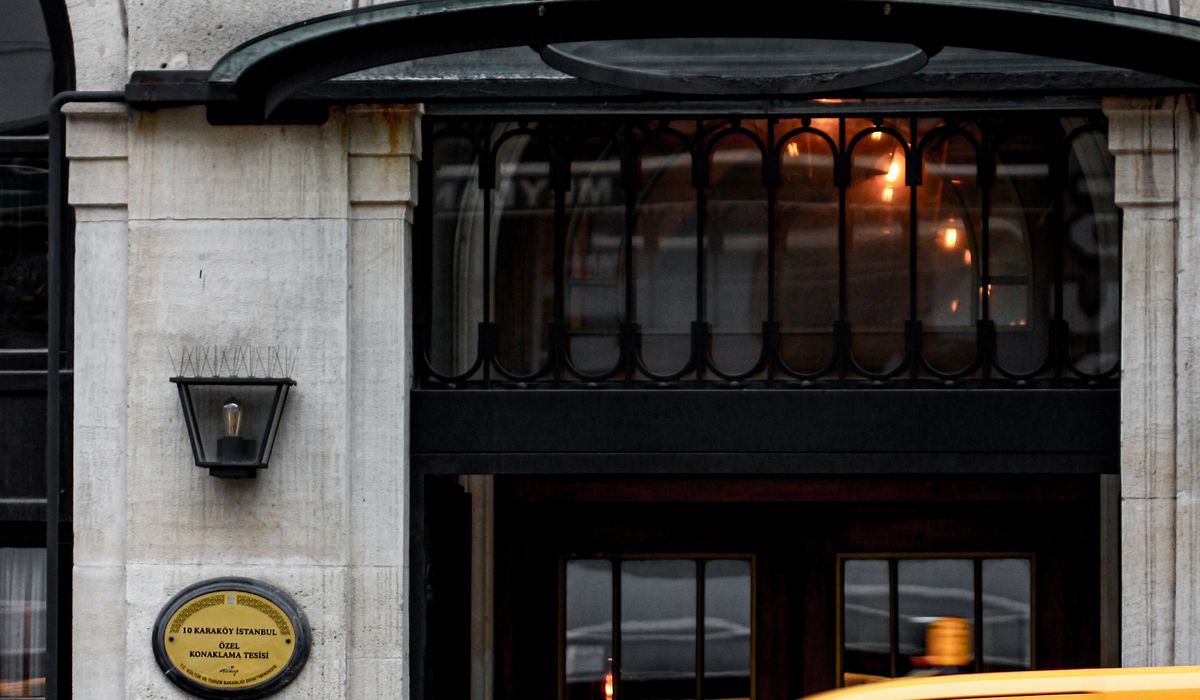
Afternoon tea occupies an unusually comfortable slot in the hotel day. It arrives after the museum and the shopping have been dealt with, but well before the evening meal, which means it never has to compete with anything else for your appetite. Guests who take it seriously tend to skip lunch altogether, sit down at four o'clock and push dinner back to eight. That single adjustment to the day is what makes the whole ritual work, and it is the reason the tradition has outlasted almost every other hotel dining format.
The story usually told is that a nineteenth-century duchess found the gap between luncheon and dinner uncomfortably long, and began asking for a tray of tea, bread and butter and cake in her room. Her friends copied her, the habit moved downstairs into the drawing room, and hotels turned it into a small occasion with a stand, a strainer and a pianist. Whether or not the duchess deserves all the credit, the shape of it has barely changed in a hundred and fifty years.
The three-tier stand is a piece of convention rather than decoration, and it helps to know the order before you start. The bottom tier is savoury, the middle is scones, the top is cakes and pastries, and the general guide is to eat upwards. Nobody will police you if you don't.
On the bottom tier, expect finger sandwiches with the crusts trimmed: cucumber with cream cheese, smoked salmon, egg mayonnaise, ham with a streak of mustard, and often coronation chicken. In winter, many hotels add a warm savoury — a miniature sausage roll, a tiny quiche or a cheese scone — which is always the first thing to disappear.
The middle tier is where the real judgement happens. Scones should arrive warm, and there should be at least two: one plain, one with fruit. Alongside them, a small dish of clotted cream and another of strawberry or raspberry jam. The top tier tends to be a Victoria sponge, a fruit tart, a square of Battenberg and a couple of petits fours, with something chocolatey for good measure.
Cornwall spreads the jam first and spoons the cream on top; Devon does the reverse. Both are correct in the place that serves them, and the argument is one of the great harmless pleasures of a British afternoon. If you are offered a choice, take it, and take a side.
On the tea itself, a few practical notes. If you are unsure, English Breakfast or Assam stands up best to cream and sugar, while Earl Grey and Darjeeling suit the plainer sandwiches. Loose leaf is usually served with a strainer, and a pot of hot water for topping up is normally free if you ask. Ordering a fresh pot halfway through is perfectly acceptable and rarely charged for.
Where you sit changes the experience as much as what you eat. A few things to weigh up when you book:
Sittings usually run from about two o'clock until five, and you should allow ninety minutes, or two hours if you are making an afternoon of it. Book twenty-four to forty-eight hours ahead for a weekday and a good deal further for weekends, Mothering Sunday and the run-up to Christmas. Large parties are often asked for a deposit.
As a rough guide, a regional hotel will charge around £25 to £45 per person, a city centre hotel £40 to £60, and a grand city establishment £60 to £90. A glass of champagne typically adds £15 to £25. A cream tea — scones, jam, cream and a pot of tea, nothing else — is usually half the price and often available without booking. Check whether service charge is already included before you tip twice.
Tell the hotel when you book, not when you arrive. Gluten-free, dairy-free, vegan and nut-free versions are routine these days, but the pastry section usually needs twenty-four hours' notice to prepare them properly, and a stand assembled on the spot will always be the poorer for it. Children are well looked after, with smaller stands or half portions at many hotels, and high chairs are almost always available.
Dress is generally smart casual. Jacket and tie are rarely required, but some of the grander rooms do ask guests to avoid shorts and sports trainers, so it is worth a quick check. If you cannot finish, ask for the cakes to be boxed up — hotels will do this without complaint, and they make an excellent supper. Allow a ten per cent tip or check the service charge. And if you are driving afterwards, a brisk walk before the car is a sensible part of the ritual too.

Hamilton Hotel An honest, everyday look at the things that make life a little better — with advice you can actually use.

Hamilton Hotel Simple, genuine and looked after with care — the kind of place worth returning to.

Check the nearest station, book a taxi in advance for late arrivals, and travel light because many historic hotels have narrow staircases and no lifts.

Comments
ALina Kelian
19th May 2018 ReplyHamilton Hotel Simple, genuine and looked after with care — the kind of place worth returning to. ullamco laboris nisi ut aliquip ex ea commodo consequat.
Rlex Kelian
19th May 2018 ReplyHamilton Hotel Real stories, useful guides and the occasional recommendation, all in one calm corner of the web. ullamco laboris nisi ut aliquip commodo.
Roboto Alex
21th May 2018 ReplyHamilton Hotel Written for people who value the details, and want honest guidance they can trust. ullamco laboris nisi ut aliquip ex ea commodo consequat.